

If you are interested in the details of your birth chart or you often seek insight from your planetary transits, you may already be familiar with the term "planets in detriment". Planets in detriment and fall are often described as weak or difficult, but in reality, these placements are far more nuanced than that. Planets in fall in your birth chart or transit positions do not mean failure, bad luck, or a flawed responsibility. Instead, they describe situations where a planet must operate in a sign that does not naturally support its core function. In this article, we will break down what essential dignity really means and why certain placements may feel like a challenging zodiac placement. By the end, you will learn how detriment differs from fall and how so-called weak planets in astrology actually shape your resilience and skill development over time.
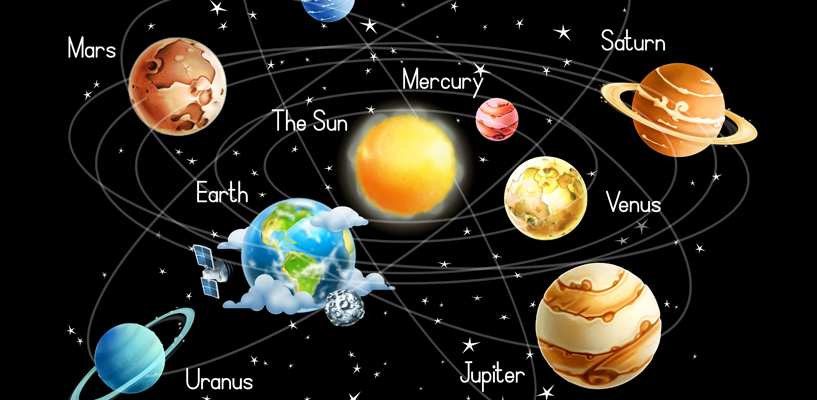 Planets in detriment and fall: each planet carries a unique psychological function that expresses differently depending on the zodiac sign it occupies
What Does It Mean When a Planet Is Weak in Astrology?
The first step to understanding the meaning of a weak planet is to understand how the strength of a planet in detriment and fall is measured in classical astrology. A planet's strength is measured through a system called essential dignity. When astrologers talk about weak planets, they are not making a moral judgment. They are, in fact, describing functional compatibility. In astrology, each planet represents a distinct psychological drive. For example, the Sun is associated with identity and vitality, while Mars represents action and assertion.
Each planet functions best in certain signs and struggles in others. The Sun, for example, functions with confidence and clarity in Leo, the sign it rules. Identity in this placement feels stable, self-expression is direct, and recognition is easier to claim. However, Sun in Aquarius becomes more complicated, as Aquarius is the sign opposite Leo, making it the Sun's detriment. Similarly, Mars in Aries or Scorpio acts directly and decisively, but in Libra, you may hesitate before acting. When Mars is in Cancer, you may also become indirect or emotionally reactive rather than straightforward. Remember that when a planet in detriment and fall sits in a sign that conflicts with its nature, expression becomes indirect, delayed, or complicated, creating what people experience as hard zodiac placements. Weak in this context does not mean powerless. It means that you must work harder to express yourself clearly.
Essential Dignity in Simple Words
To determine planets in detriment and fall, astrologers use essential dignity, a system that measures how comfortable a planet feels in a particular sign. Instead of thinking about good or bad, it is more helpful to think in terms of environment. Is the planet operating in familiar territory, or does it feel out of place? Essential dignity refers to four main conditions: rulership, exaltation, detriment, and fall.
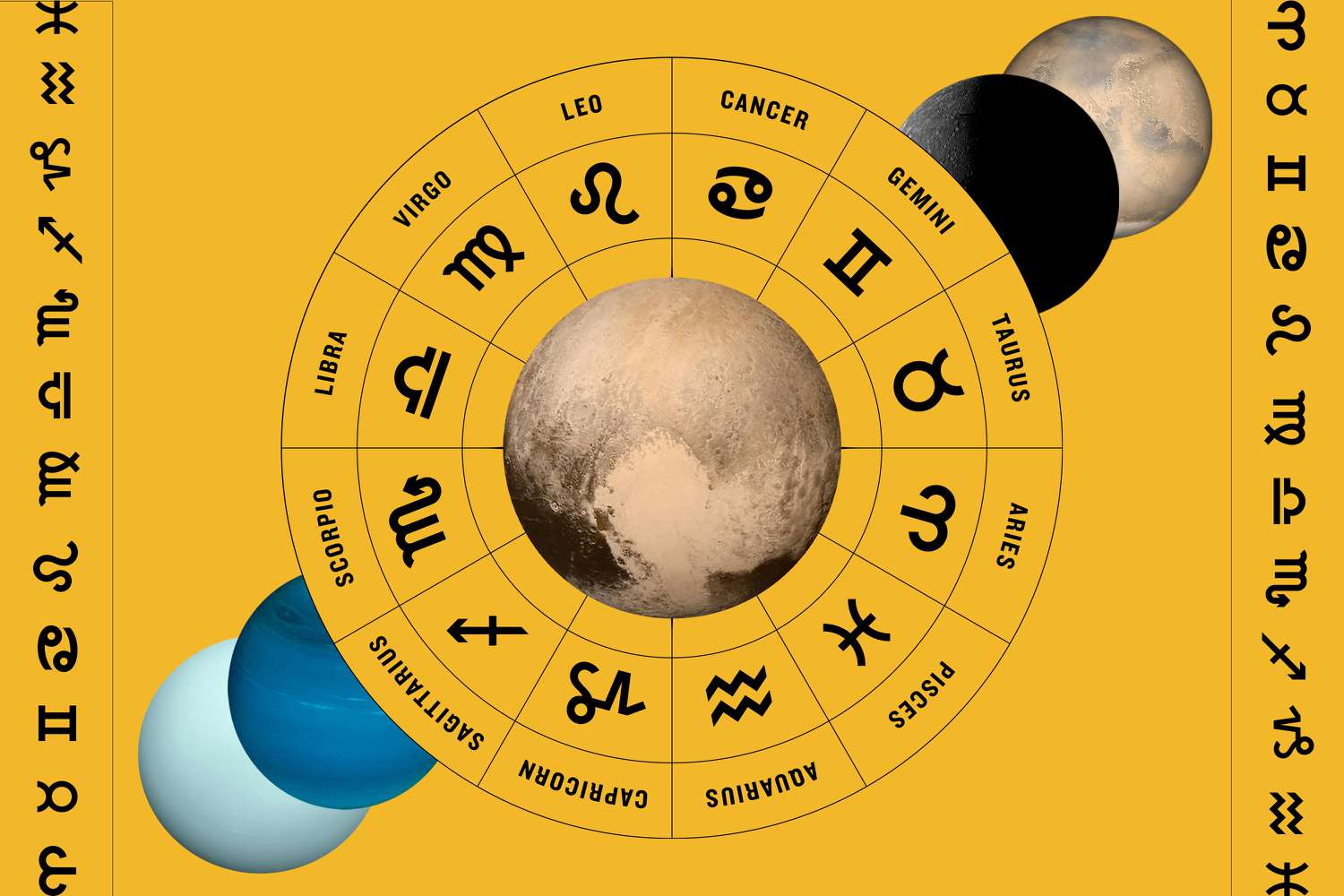 The zodiac wheel is the foundation of essential dignity: each sign either supports or challenges the planets that pass through it
Rulership, also called domicile, is when your planet is in the sign it governs. This is its home base, where the planet understands the rules intuitively. For example, Mars in Aries does not have to overthink how to assert itself. The energy flows directly and confidently because the sign supports the planet's core function. Exaltation is slightly different. Here, your planet is not at home, but it is in a place where its best qualities are highlighted, like being a respected guest in an environment that genuinely appreciates what you offer. For example, the Moon in Taurus tends to express emotional stability and grounding more easily because Taurus reinforces the Moon's need for security and consistency.
The planets in detriment and fall occur when they sit in the sign opposite the one they rule (detriment) or opposite their exaltation (fall). In detriment, the environment feels unfamiliar to the planet and its usual way of operating does not quite fit the tone of the sign. For example, Venus in Aries wants to connect, but Aries prioritizes independence, the result is not failure, but a tension that requires awareness. A fall occurs when a planet is in the sign opposite its exaltation, and this placement often feels more sensitive or psychologically exposed. For example, Mars in Cancer may struggle with direct confrontation because emotional security becomes entangled with decisive action.
What Is a Planet in Detriment?
A planet in detriment occupies the sign opposite to its rulership, it is like operating in a territory where the rules feel inverted. For example, Venus rules Taurus and Libra, but it is in detriment in Aries and Scorpio. Mars rules Aries and Scorpio, but it is in detriment in Libra and Taurus. In detriment, the planet still functions, but expression feels conflicted. The individual often oscillates between overcompensation and inhibition, creating a challenging zodiac placement that requires conscious integration rather than passive experience. Understanding which of your planets are in detriment is a key step in self-awareness, and you can identify them instantly using your free birth chart calculator.
Calculate Your Birth Chart for Free
Get your complete natal chart with AI-powered interpretations of planets, houses, and aspects, all personalized to your exact birth details.
What Is a Planet in Fall?
A planet is in fall when it occupies the sign opposite to its exaltation. This placement often feels more internal than detriment and can produce self-doubt or insecurity about the planet's function. For example, the Sun exalts in Aries, but it is in fall in Libra. Jupiter exalts in Cancer but falls in Capricorn. The planets in detriment and fall both require conscious development, but fall placements often feel more sensitive or psychologically exposed, as if the planet cannot find secure ground from which to act. The key difference is that detriment creates a mismatch between the planet's style and the sign's environment, while fall creates a deeper vulnerability in how the planet experiences its own function.
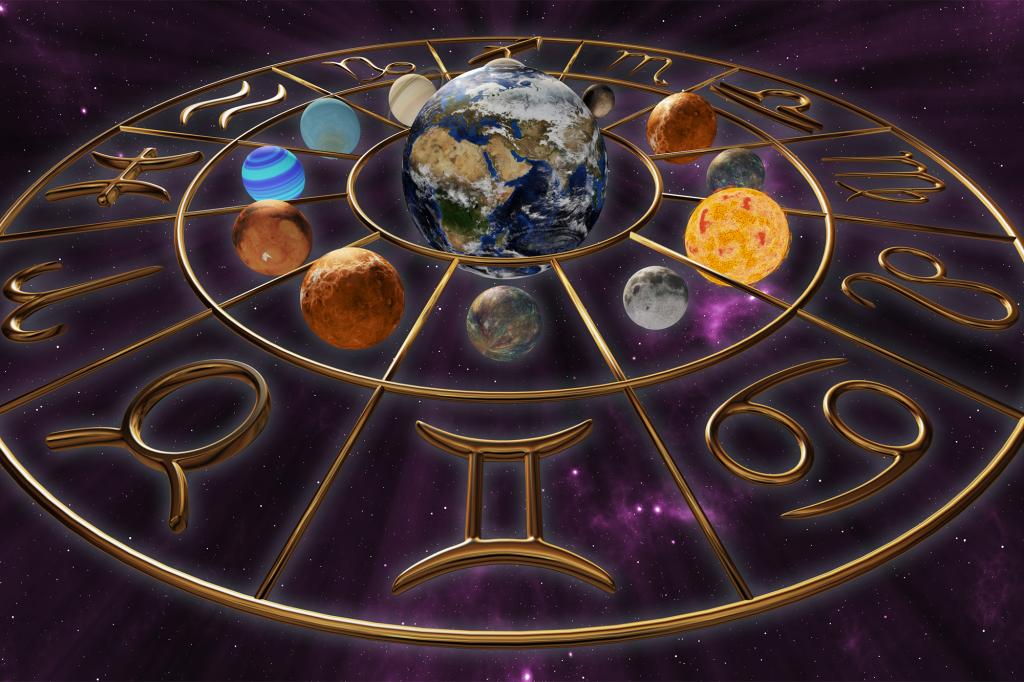 Planets in fall occupy the sign opposite their exaltation, an exposed position that calls for greater psychological awareness and intentional growth
List of Planets in Detriment
Now that we understand what planets in detriment and fall mean conceptually, let us review each detriment placement in detail and explore the psychological meaning behind it:
- Sun in Aquarius (detriment): The Sun represents identity and vitality, but in Aquarius, the sign opposite Leo, individuality is expressed through collective ideals rather than personal recognition. The challenge lies in balancing personal ego with group identity. This can feel like a difficult planet placement in early life, but later develops into visionary, community-oriented leadership.
- Moon in Capricorn (detriment): The Moon seeks emotional safety, but Capricorn promotes control and structured responsibility. Emotional expression becomes measured and, at times, restricted. This placement may result in difficulty with vulnerability, but often produces exceptional emotional endurance and reliability over time.
- Venus in Aries (detriment): Venus seeks harmony, while Aries is driven by independence. Venus in Aries can result in impulsive or competitive relationship patterns. Over time, this placement teaches directness and courage in love, the ability to pursue what you want without apologizing for it.
- Venus in Scorpio (detriment): Venus also rules Taurus, making Scorpio its second detriment sign. Here, love becomes intense, possessive, and transformative. The challenge is learning to release control in relationships and trust the process of deep emotional bonding.
- Mars in Libra (detriment): Mars seeks decisive action, while Libra is fundamentally about balance and consideration. Mars in Libra is known as a hard zodiac placement because the drive to act is filtered through the need for fairness. With maturity, this develops strong negotiation skills and the ability to take principled, strategic action.
- Mars in Taurus (detriment): Action becomes slow, deliberate, and potentially stubborn. The directness of Mars is muted by Taurus's love of comfort and resistance to change. However, this placement builds extraordinary persistence and the capacity to see long projects through to completion.
- Jupiter in Gemini (detriment): Jupiter expands belief systems, while Gemini diversifies information rather than deepening it. Jupiter in Gemini may scatter conviction across too many interests. However, with maturity, this placement fosters intellectual versatility, adaptability, and the ability to synthesize broad knowledge across many fields.
- Saturn in Cancer (detriment): Cancer governs emotional security, while Saturn is about structured discipline and emotional restraint. This combination, often considered a hard zodiac placement, can create fear around vulnerability or emotional attachment. However, as you grow, it builds deep emotional maturity and an exceptional capacity to provide security for others.
List of Planets in Fall
Although planets in detriment and fall are both considered challenging zodiac placements, there are subtle and important differences between the two. A fall position is the opposite of an exaltation, the planet cannot access its highest, most refined expression, and instead operates from a more vulnerable or unexpressed state. Here is a complete breakdown of each fall placement:
 Planets in detriment and fall create challenging zodiac placements, not weaknesses, but areas where intentional development transforms difficulty into depth
- Sun in Libra (fall): Identity may feel dependent on relationships and external validation. Confidence develops through partnership rather than individual assertion. The key lesson here is balanced self-definition, learning to be yourself fully even within relationship contexts.
- Moon in Scorpio (fall): Emotions run deep, intense, and transformative. Trust issues may surface repeatedly, but over time this placement develops profound emotional intelligence, psychological insight, and the capacity for genuine intimacy.
- Mercury in Pisces (fall): Analytical clarity is diluted by imagination and emotional sensitivity. This placement can struggle with linear logic but often excels in creative, poetic, or intuitive communication, making it a powerful placement for artists, writers, and healers.
- Venus in Virgo (fall): Love becomes analytical and detail-oriented. Perfectionism in relationships may surface, but this placement ultimately leads to extraordinary discernment and a refined, devoted form of love that serves rather than consumes.
- Mars in Cancer (fall): Direct confrontation feels uncomfortable, and assertiveness may become indirect or emotionally coded. However, with awareness, Mars in Cancer develops into protective strength, the capacity to act powerfully in defense of family, home, and those you care for.
- Jupiter in Capricorn (fall): Optimism is filtered through realism and a hard-nosed sense of practicality. This can limit spontaneous faith, but over time it produces strategic growth, long-term vision, and sustainable success built on solid foundations.
- Saturn in Aries (fall): Authority and initiative conflict directly. Self-discipline must be consciously cultivated rather than assumed. When integrated, this placement creates courageous leadership grounded in responsibility, a rare and powerful combination.
Are Detriment and Fall Placements Bad in a Birth Chart?
One of the biggest misunderstandings in astrology is the assumption that planets in detriment and fall automatically weaken a chart. In practice, this is rarely accurate. A birth chart is a complete system in which no single placement operates alone. A planet in detriment may receive supportive aspects from other planets. A planet in fall may sit in an angular house, making it one of the most prominent themes in the entire life. Strength in a chart is never isolated, it is always contextual.
What these placements actually show is effort. When someone has what appears to be a difficult planet placement, they typically develop heightened awareness in that area of life earlier than others. If you have Moon in Capricorn, you may need to consciously learn emotional expression. Someone with Mars in Libra may have to practice direct assertion. But over time, these individuals often become more skilled in those areas than people who never had to work at it. The difficulty is precisely what creates the depth. You can explore how these placements interact across your full chart by tracking ongoing transits through the astrology calendar, which shows when and how current planetary motion activates these sensitive natal points.
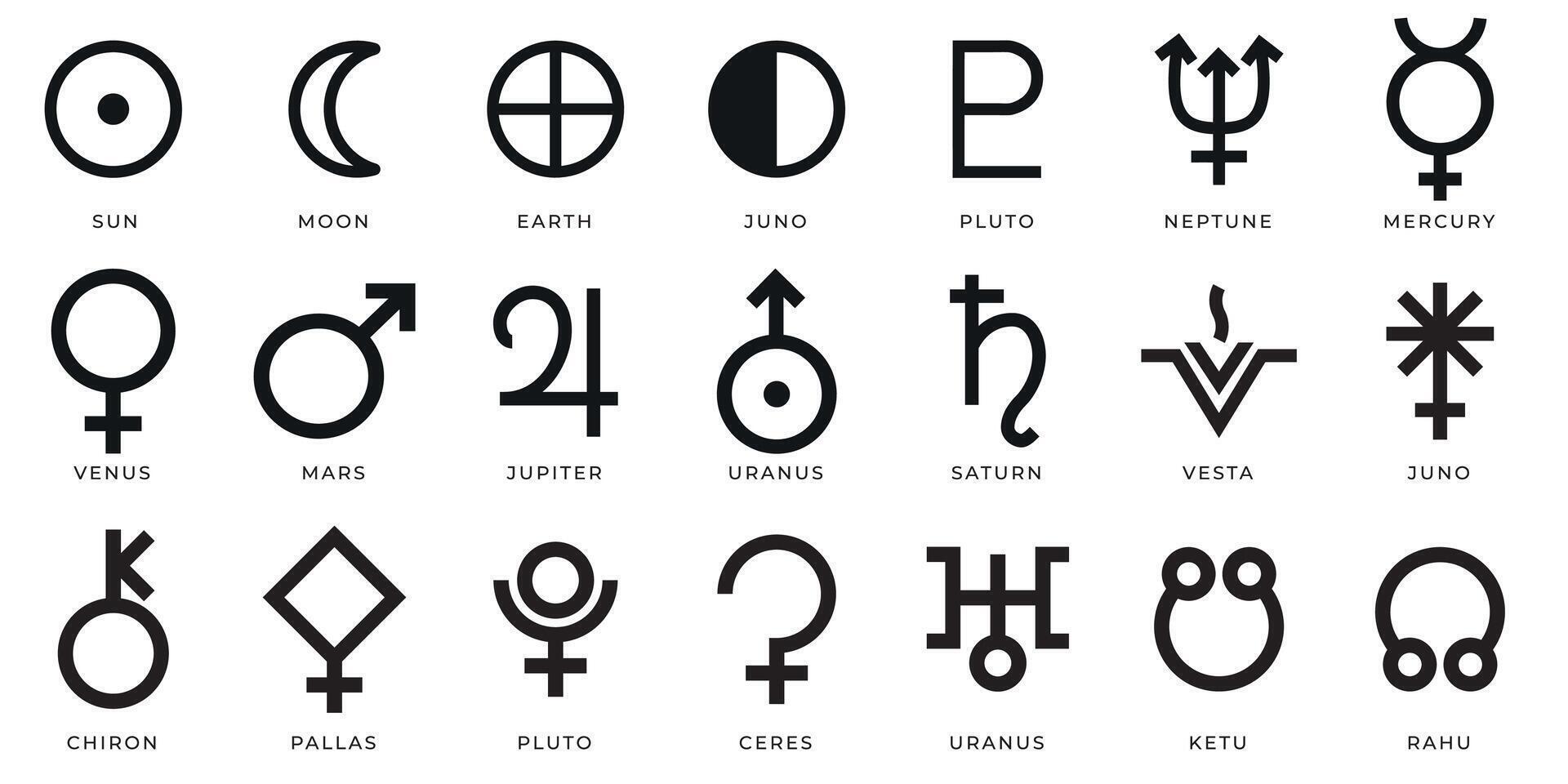 Knowing the astrological planet symbols is essential for reading birth charts and understanding which planets are in detriment or fall in your natal placements
Explore Astrological Calendar
Track retrogrades, eclipses, new moons, full moons, and major planetary transits, synced with your personal chart for meaningful timing.
How AI Tools Help You Work With Challenging Planet Placements
Understanding planets in detriment and fall on paper is one thing, but working with them in real life is something else entirely. The challenge most people face is not interpretation, it is context. A placement does not operate alone. You have to consider planetary positions, house placement, aspects, element distribution, modality balance, and ongoing transits. Then you have to translate all of that into something usable and personally meaningful. This is where modern AI astrology tools have fundamentally changed the landscape.
An AI astrologer like Astroo.ai is not a generic horoscope generator. Astroo.ai is a system trained on a large volume of astronomical data, chart patterns, interpretive frameworks, and real-world query structures. It combines planetary calculations with pattern recognition and natural language processing to interpret charts dynamically rather than statistically. Unlike traditional astrology sessions that require scheduling and limited availability, AI systems operate instantly and continuously. Speed matters when you are tracking transits affecting a challenging zodiac placement. Accessibility matters when you want to understand how a difficult planet placement influences career versus relationships, or when you want to ask a specific question about your Moon in Scorpio fall placement at midnight.
Astroo.ai analyzes the following dimensions of your chart simultaneously:
- Exact planetary positions, including which planets are in detriment or fall in your natal chart
- Aspect and angular configurations that either support or compound the challenges of detriment and fall placements
- Element and modality distribution to understand the broader context of how your chart handles tension
- Recurring psychological themes connected to your specific detriment or fall placements and how they express across different life areas
- Transit activation of natal placements, the exact timing of when current planetary movement will intensify or ease your challenging placements
Its weekly and daily horoscopes are not generic summaries, they connect current planetary motion to your personal chart structure. The built-in planetary calendar tracks transits, retrogrades, and major aspect formations so you can see when pressure is building or releasing around your challenging placements. What makes this particularly useful for hard zodiac placements is timing. A planet in fall may feel manageable most of the year, but when a transit activates it, emotional intensity rises sharply. Having a system that alerts you to that timing, and explains it in context, fundamentally changes how you respond rather than react.
 AI-powered astrology tools like Astroo.ai translate the complex language of planets in detriment and fall into personalized, actionable insights
Chat with Your AI Astrologer
Ask any astrology question and get instant, personalized answers based on your birth chart. It's like having a professional astrologer on call 24/7.
Conclusion: Detriment and Fall as a Path to Mastery
The planets in detriment and fall are not flaws in a chart, they are areas where growth is intentional rather than automatic. They describe where life asks for awareness instead of instinct, where effort replaces ease, and where the skills developed are often the deepest and most lasting. A challenging zodiac placement is ultimately a map of where your chart demands the most from you, and consequently, where your most meaningful strengths are forged.
However, awareness requires accurate information, and translating the complexity of detriment and fall placements into personal understanding requires more than a keyword lookup. Astroo.ai provides that clarity in a practical way. Its AI astrologer analyzes your full birth chart in seconds, compares multiple interpretive layers simultaneously, and responds to complex personal questions without reducing your chart to clichés. With personalized daily and weekly horoscopes, a detailed planetary movement calendar, and AI chat support for life and relationship questions, users do not just learn astrology, they apply it to their lives with genuine insight and timing.
Ready to discover which planets in your chart are in detriment or fall? Use Astroo.ai's free birth chart calculator to generate your complete natal chart and receive AI-powered interpretations of every placement, including the ones that feel most challenging.